Lightweight, responsive, and way ahead of its time, the Silverpilen set new standards for offroad capability and everyday usability. Its minimalist construction and distinctive character made it a favourite among both amateur riders and professional racers, helping to establish Husqvarna as a dominant force in offroad riding and competition for years to come. Undoubtedly, this iconic machine paved the way for decades of success in offroad racing.
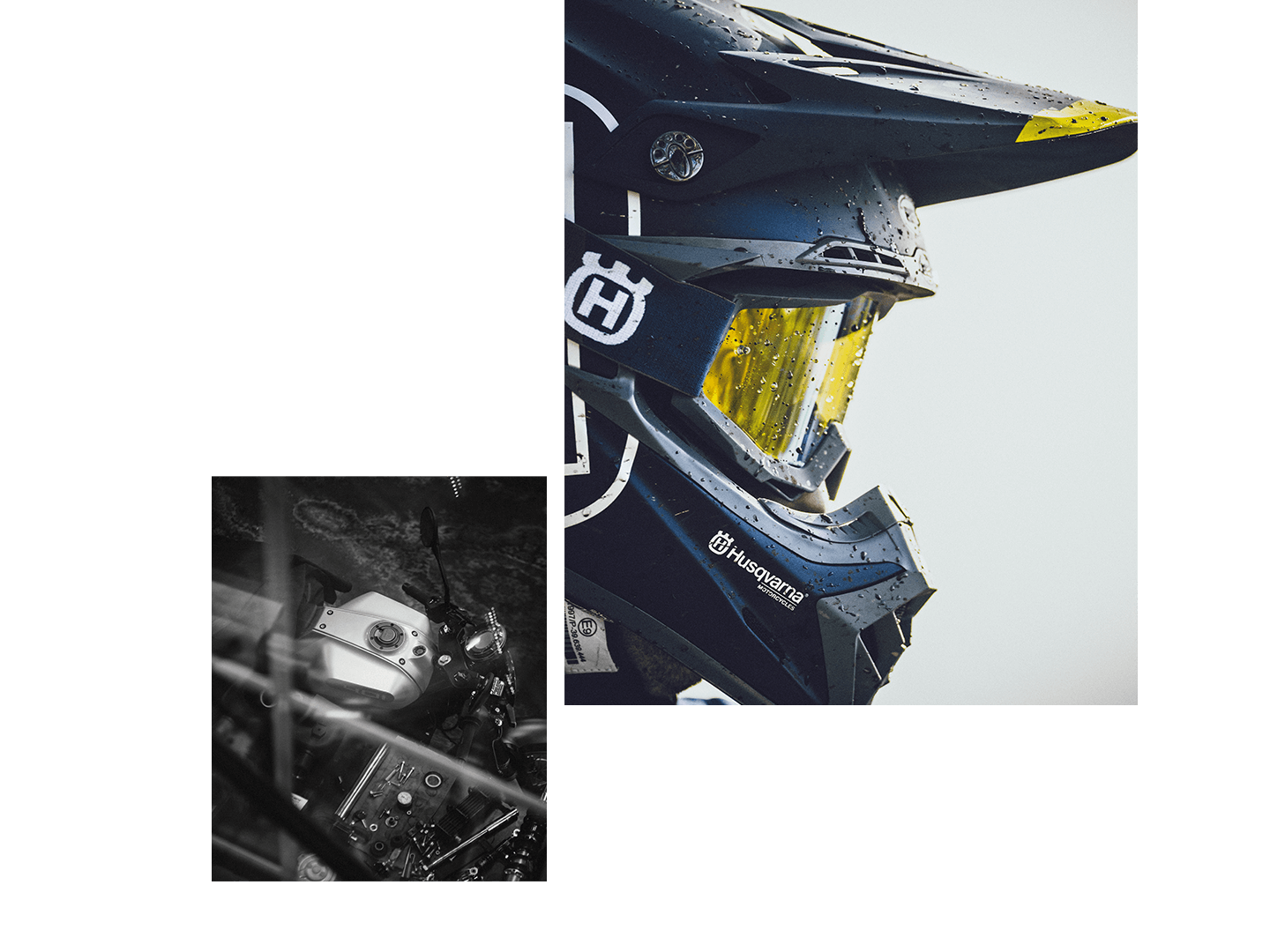
Experience Husqvarna Motorcycles
DISCOVER
Simple. Progressive.
DISCOVER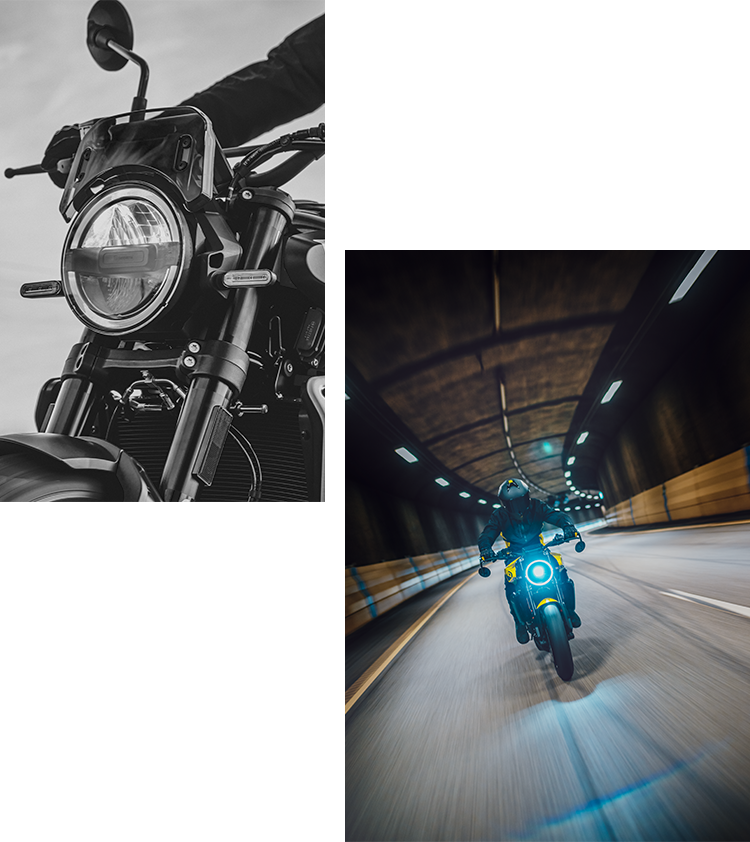
The best lines happen offline
Discover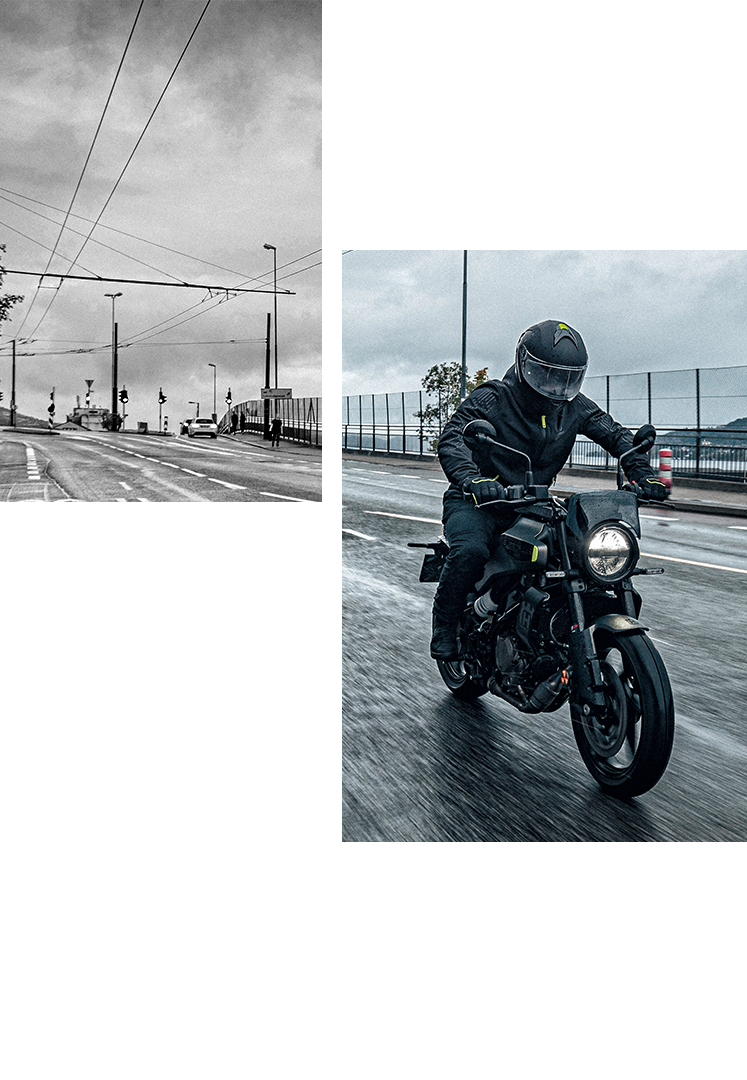
Free yourself
DISCOVER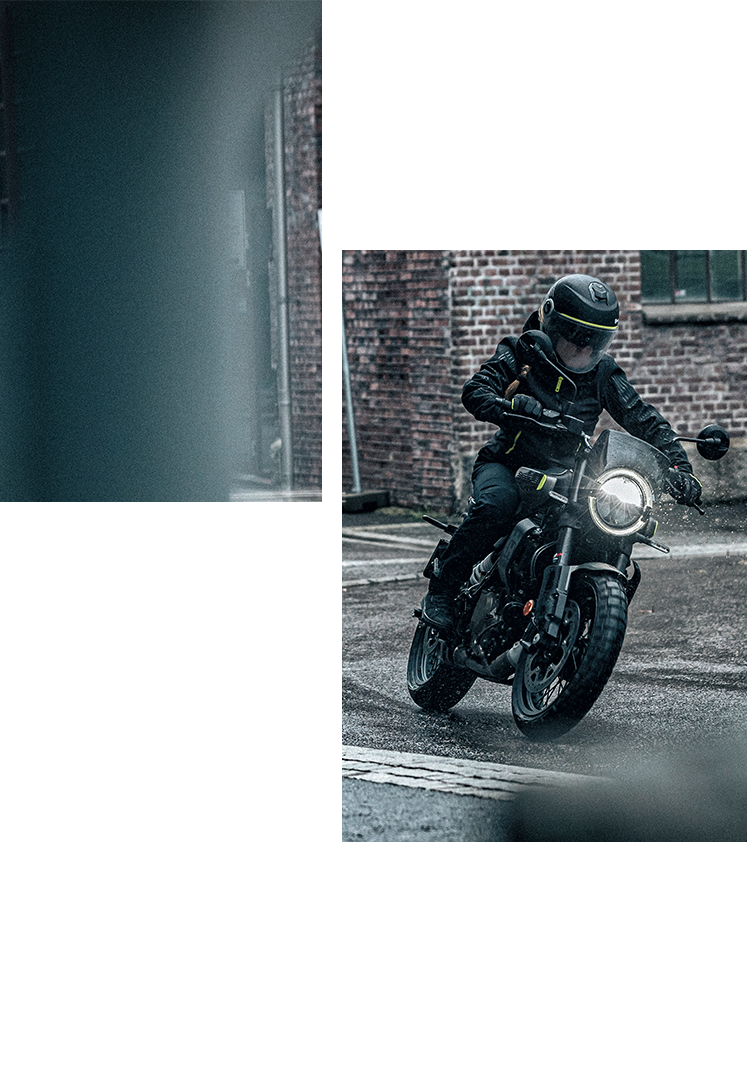
Free yourself
DISCOVER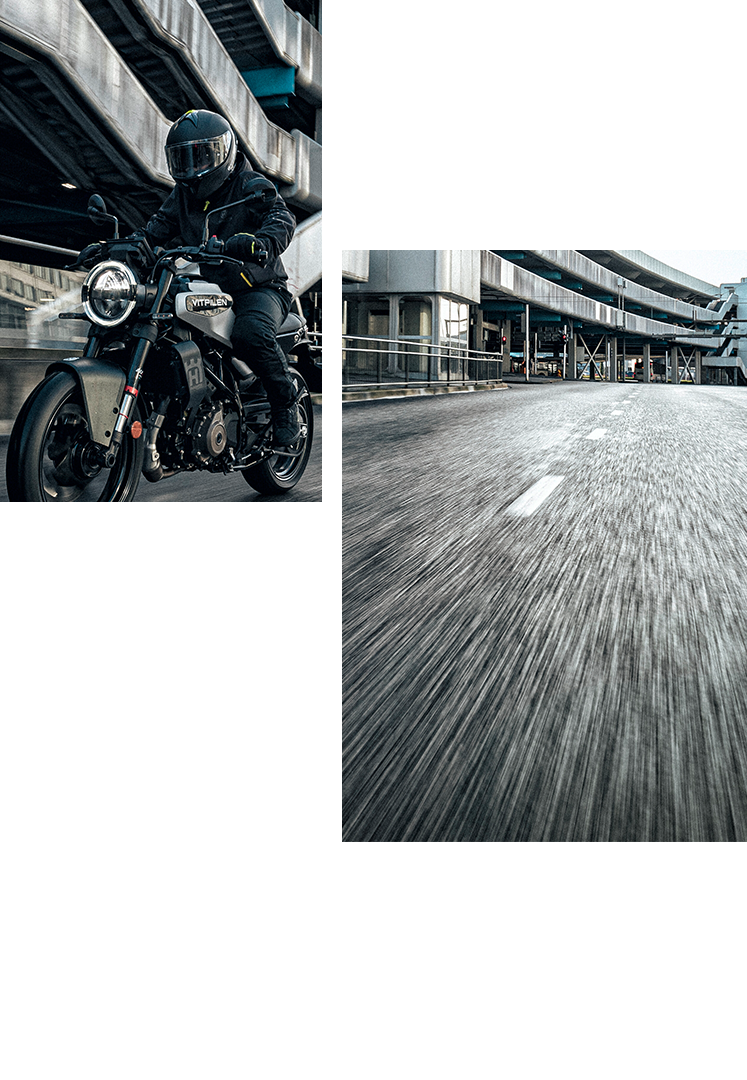
Shake things up
DISCOVER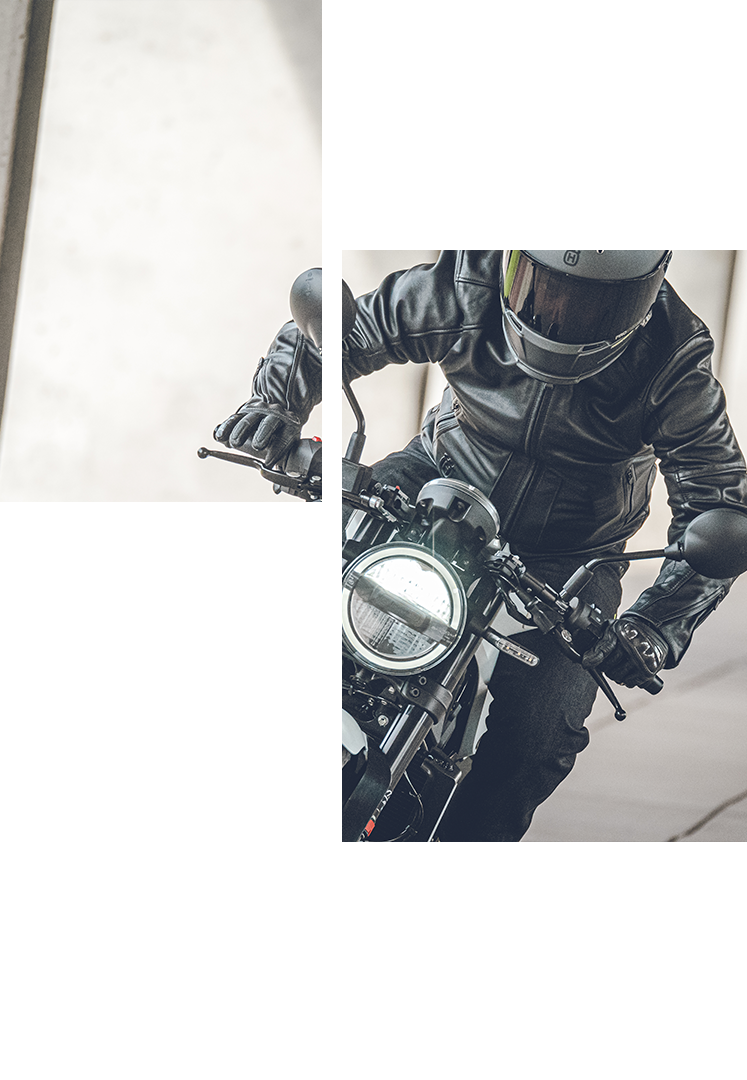
Light-footed
DISCOVER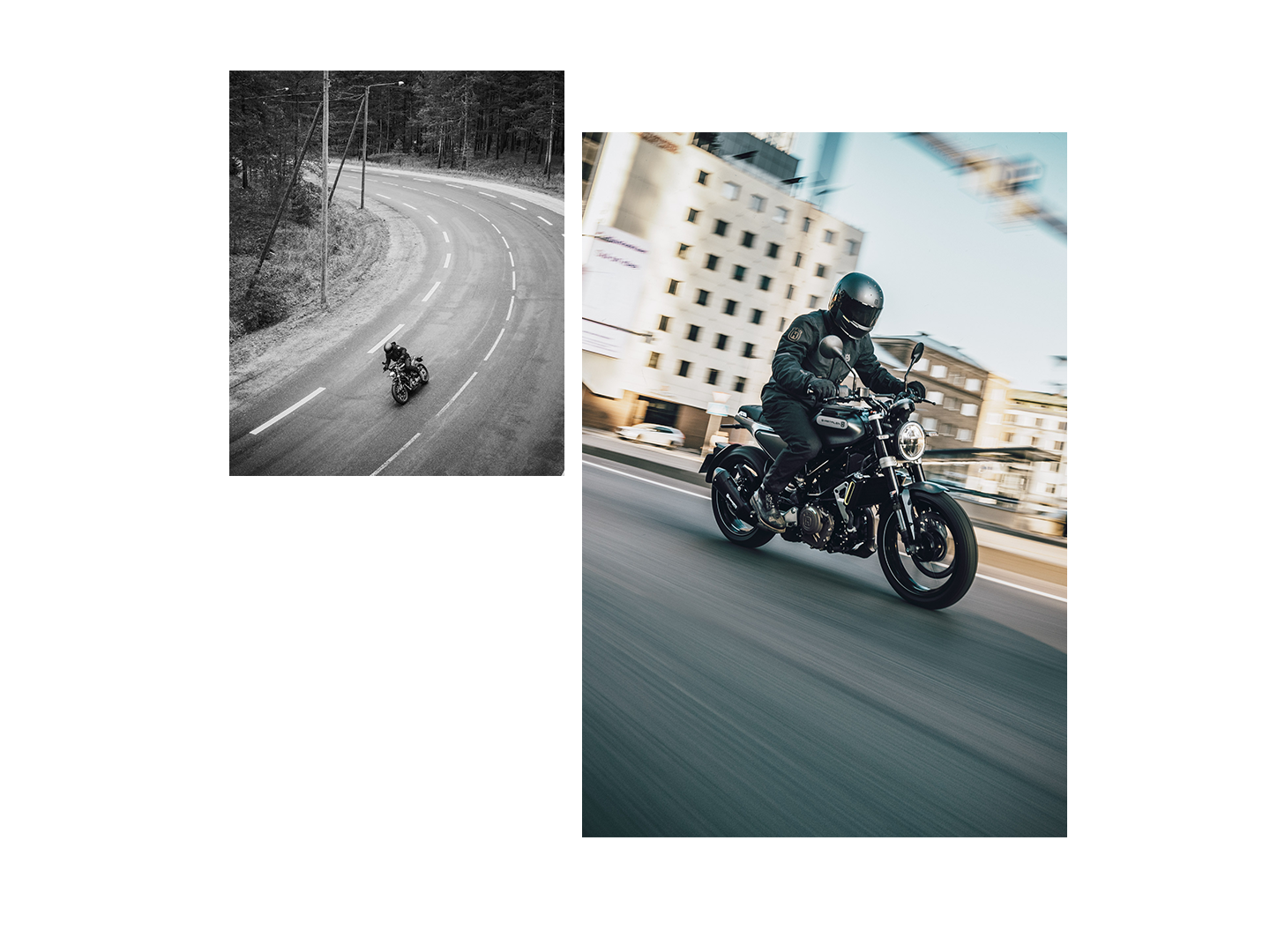
The best lines happen offline
DISCOVER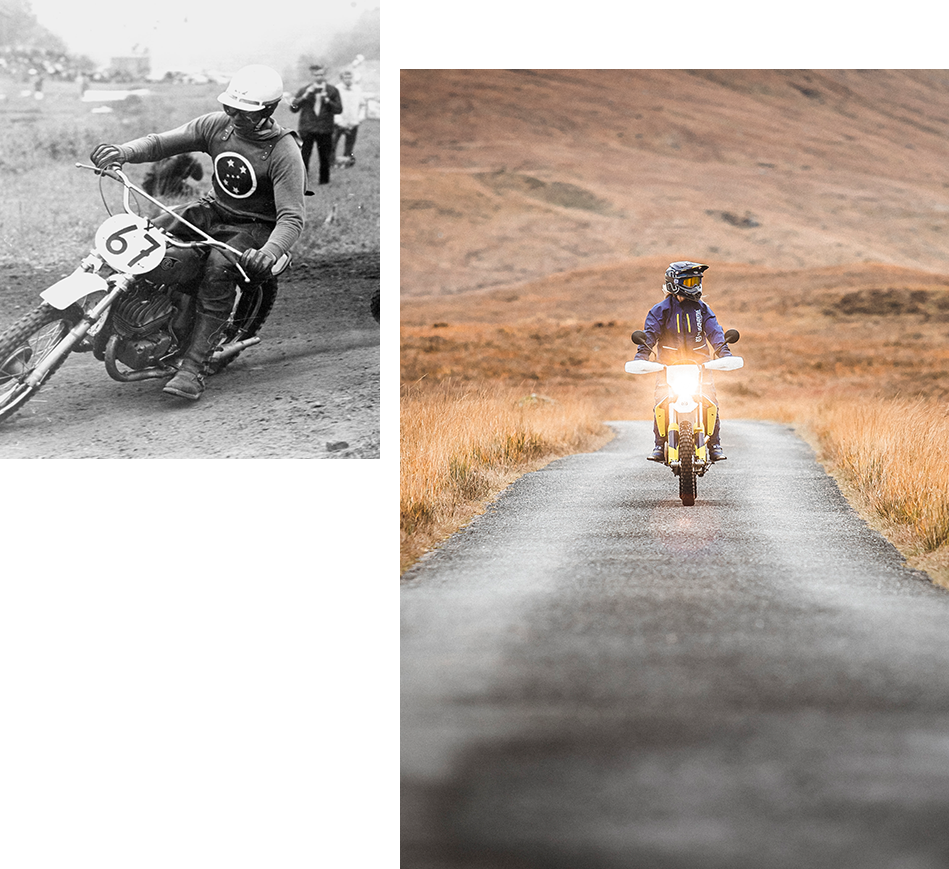
The best lines happen offline
DISCOVER
Roll your own way.
DISCOVER
The best lines happen offline
DISCOVER
The best lines happen offline
DISCOVERThe Story of a Living Legacy: Husqvarna’s Ride Forward
Some brands build machines. Others create something far greater.
For more than a century, Husqvarna has been driven by innovation, adventure, and a passion for motorcycling that connects riders across generations. From the earliest machines built in Sweden to today’s cutting-edge motorcycles, the journey of Husqvarna is not only about engineering – it’s about the people, places, and moments that define life on two wheels.
Each decade has left its mark on the brand. Each motorcycle has carried the spirit of exploration further into the world. And each rider has added another chapter to the story.
This is the evolution of Husqvarna. Read on to relive the most iconic eras from our journey so far.
Living Legacy – The evolution of Husqvarna. What began as a motorised bicycle in 1903 has grown into over 100 years of pioneering motorcycle evolution. Pictures: Husqvarna Mobility
Living Legacy – The evolution of Husqvarna. What began as a motorised bicycle in 1903 has grown into over 100 years of pioneering motorcycle evolution. Pictures: Husqvarna Mobility
Sweden, 1903 – The beginning of the journey
The story begins in Sweden in 1903, when Husqvarna entered the motorcycle industry by building a modest, motorised bicycle – the Motor-Velocipede. Powered by a 225cc, single-cylinder FN engine, the machine produced just over one horsepower and could reach speeds of up to 50 km/h, with a range of around 150 kilometres. Simple in design, with a leather belt drive and easy operation, it was produced in small numbers and marked the beginning of Husqvarna’s journey into motorcycling.
By the early 1930s, Husqvarna had introduced its first fully fledged motorcycle – the 120 SV. At a time when motorcycling was still finding its place in the world, v-twin machines like this represented freedom and possibility. In addition, this pioneering model gave racers a competitive edge, with multiple riders claiming victories in major events such as the Swedish Grand Prix.
Simple in design but bold in spirit, these early motorcycles laid the foundation for everything that would follow. They were built for riders who wanted to go further, explore more, and experience the world beyond the road ahead.
That mindset – curiosity, innovation, and desire – became the DNA of the brand.
In the mid 1950s, the iconic Silverpilen set a new bar for performance
Two decades later, Husqvarna created a motorcycle that would change everything.
The Silverpilen, introduced in the mid-1950s, became one of the most influential lightweight motorcycles of its time. Nicknamed the “Silver Arrow” due to its distinctive aluminium finish, it was designed with simplicity and performance in mind, and tipped the scales at just 75 kilograms. Powered by a lively 175cc engine, the machine delivered impressive speed and agility, quickly capturing the imagination of riders around the world, including future motocross world champions Torsten Hallman and Rolf Tibblin.
Redefining racing in the desert, 1971 – Conquering the dirt
By the 1970s, Husqvarna’s motorcycles had already become a force in offroad racing.
Across the rugged landscapes of deserts around the world, the legendary Husqvarna 400 Cross proved exactly what the brand was capable of. Introduced in the late 1960s and quickly gaining global recognition, the lightweight two-stroke machine combined strong, responsive power with exceptional handling, making it highly competitive in both motocross and desert racing. It became a defining model of its era and a symbol of Husqvarna’s growing influence on the international racing scene.
On both dusty trails and unforgiving terrain, riders pushed these machines to their limits. Its success in demanding events, particularly in the United States, helped cement Husqvarna’s reputation for durability, performance, and innovation, while also contributing to the brand’s rise as a dominant force in offroad competition.
To underline the capability of the Husqvarna 400 Cross, Bengt Aberg claimed back-to-back Motocross World Championships in the 500cc class while Malcolm Smith and Gunnar Nilsson picked up the Baja 1000 victory in 1971. Away from the race track, Steve McQueen propelled the Husqvarna 400 Cross into the limelight by riding the machine in the legendary movie, On Any Sunday.
Racing wasn’t just a proving ground any more. It formed a large part of the brand’s identity.
Baja 1000, early 1980s – Built for the toughest races
Few races test both rider and machine like the Baja 1000.
In the early 1980s, Husqvarna motorcycles such as the XC 500 were used to tackle one of the toughest endurance events in offroad racing. Battling endless desert terrain, extreme heat, and unforgiving conditions, both rider and machine were pushed to their absolute limits over hundreds of kilometres of relentless racing.
Events like these reinforced what Husqvarna motorcycles had always been built for: resilience, performance, and the ability to thrive in the harshest environments. It was in races like these that the brand’s reputation for durability and offroad capability was truly proven.
Reshaping the future of riding offroad, 1985 – Evolution continues
As motorcycling continued to evolve, so did Husqvarna.
The launch of the CR 420 AE in the 1980s marked another important step forward. As a powerful two-stroke enduro and cross country machine, it reflected Husqvarna’s continued focus on performance, lightweight construction, and precise handling. Developed during a highly competitive era of offroad racing, and featuring a unique, 4-speed automatic transmission, together with long-travel suspension, it showcased the brand’s commitment to refining its machines for riders competing at the highest level.
Across several continents, riders were discovering the excitement of Husqvarna machinery, whether competing on the track or exploring more remote terrain. From professional racers to passionate enthusiasts, the brand continued to grow its global presence, building a reputation for performance, reliability, and a distinctive riding experience.
The story continues, 2013 – Relocation, exceptional growth, racing success
In 2013, Husqvarna entered a new era by relocating its motorcycle division to Mattighofen, Austria. This moment marked the beginning of the most successful chapter in the brand’s history, with sustained growth, record sales, and a renewed focus on innovation, which was driven by world-class manufacturing and research facilities.
At the same time, Husqvarna returned to the street with purpose. The introduction of models such as the 701 Supermoto and 701 Enduro, followed by the Vitpilen and Svartpilen machines, and later the Norden 901, signalled a bold expansion. These motorcycles combined distinctive design with advanced engineering, offering riders new ways to experience the brand both on and off the road.
In parallel, Husqvarna’s racing success has continued to define its identity. With over 100 international world championship titles to its name, recent achievements from riders like Billy Bolt in SuperEnduro and Kay de Wolf in MX2 highlight the brand’s continued competitiveness at the highest level. Across disciplines including MXGP, Hard Enduro, and AMA Supercross and Pro Motocross, Husqvarna remains a front-running force, proving that its pursuit of performance is as strong today as it has ever been.
Today – A growing global community of riders
Fast forward to today, and the Husqvarna story continues to evolve.
Modern motorcycles such as the Norden 901 Expedition represent the next step in the brand’s evolution. Built for long-distance exploration, the Norden 901 Expedition combines rider-focused ergonomics, advanced electronics, and premium WP suspension for exceptional comfort and confidence on any terrain. This same progressive mindset defines the Svartpilen and Vitpilen ranges, where minimalist design meets cutting-edge performance. From urban streets to winding backroads, these motorcycles express Husqvarna’s commitment to innovation, precision, and a distinctive riding experience across every segment.
At the other end of the spectrum, the motocross and enduro models are competition-ready machines engineered for agility and precision, delivering lightweight handling, instant power, and race-proven components built to dominate demanding offroad conditions. Together, they underline Husqvarna’s ability to create motorcycles that are highly capable, deeply engaging, and driven by more than a century of relentless innovation.
But the most important part of the story isn’t the machines themselves.
It’s the riders.
Across the world, Husqvarna connects people from different countries, cultures, and backgrounds. From racers chasing victories to explorers searching for new horizons, every rider adds something unique to the legacy of the brand while at the same time, playing a vital role in its remarkable story.
Explore the road ahead and beyond
Rooted in heritage, Husqvarna is a respected brand that never stands still. Nor do its legion of riders who, together with their machinery, strengthen the legacy of the brand with each kilometre ridden. Each new generation of motorcycles pushes the boundaries further. Each rider shapes the future of the brand in their own way. Because the story of Husqvarna is still being written.
And as the brand continues to evolve, one thing remains certain: Our greatest achievements are not behind us – they’re still ahead of us.
Be part of the brand’s evolution. Discover our full model range, locate your nearest dealer, and arrange a test ride today.